Before the Aubette: A Historic Site Since the Middle Ages
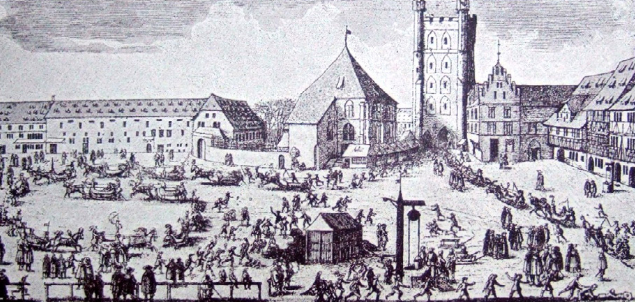
As early as 1230, a Franciscan community settled on the square, then known as Barfüsserplatz (“place of the barefoot”). The convent occupied a large part of the current site, surrounded by walls and accompanied by a vast cemetery.
Over the centuries, the site evolved:
- 1525 : during the Peasants’ War, refugees sought shelter in the convent
- 1529 to 1552 : abandonment and gradual demolition of religious buildings
- 1615 : installation of a mint and a cabinet of curiosities
- 1622 : monetary crisis and establishment of an exchange office
- 1675 : oath of allegiance by Swiss mercenaries to the city of Strasbourg
This strategic location gradually became a central hub of Strasbourg’s economic and political life.
1764–1815: The Birth of the Aubette and Urban Transformation
The story of the Aubette truly begins in the 18th century with a major urban planning project:
- 1764 : Strasbourg’s Magistrate appeals to King Louis XV to modernize the city
- 1765 : approval of architect Jacques-François Blondel’s project
- 1767 : construction of the Aubette façade, symbol of structured urban design
The building initially served military purposes, including guard rooms, accommodation, and administration.
The French Revolution also left its mark:
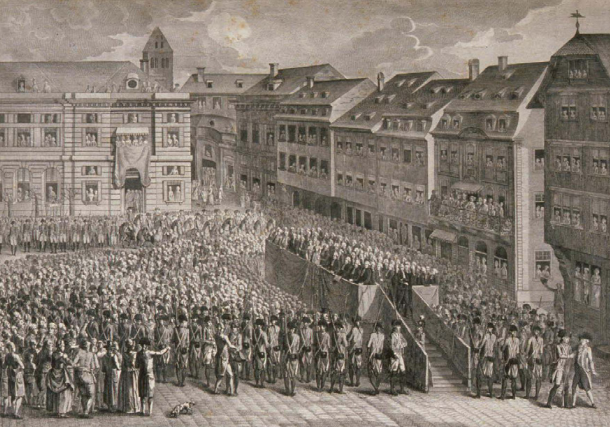
- 1790 : installation of the new municipal government
- 1792 : celebration of the Republic with a procession of 20,000 people
- 1794 : removal of the guillotine from the square
- 1815 : military uprising involving the Aubette
The Aubette became a central location in Strasbourg’s public life.
1825–1875: Cultural Life, Markets, and Major Transformations
In the 19th century, Place Kléber became increasingly vibrant:
- 1825 : installation of a War Council
- 1830 : last grain market, followed by the emergence of the Christmas market
- 1840 : Place d’Armes officially becomes Place Kléber
- 1845 : creation of the famous Café Cadé
The Aubette evolved into a cultural venue:
- 1867 : transformation into a café-concert with a music hall
- 1868–1869 : installation of a municipal museum
A major turning point occurred:
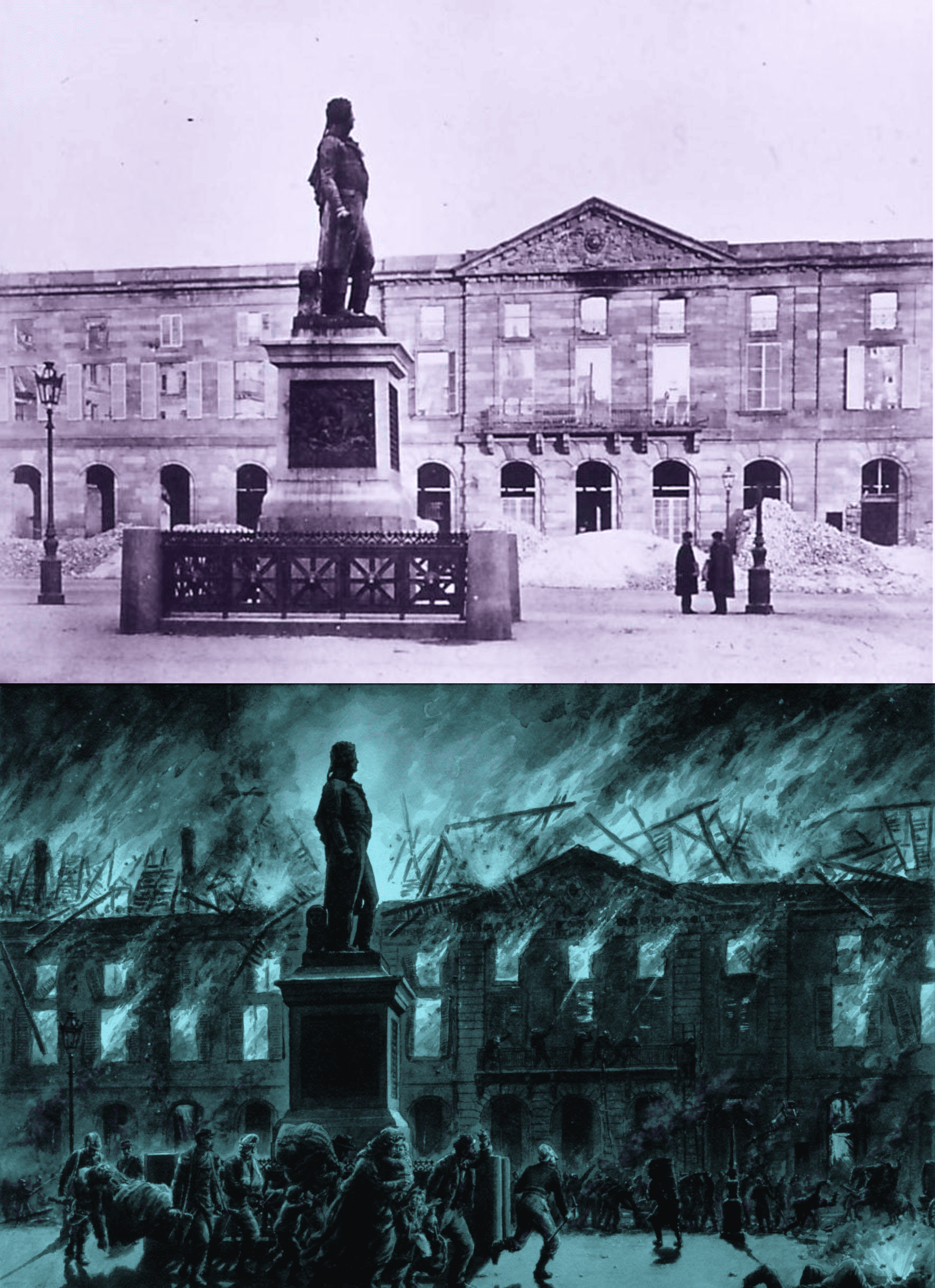
- 1870 : bombardment and fire destroyed the Aubette and its collections
The building was later restored between 1873 and 1875 by architect Jean Geoffroy Conrath.
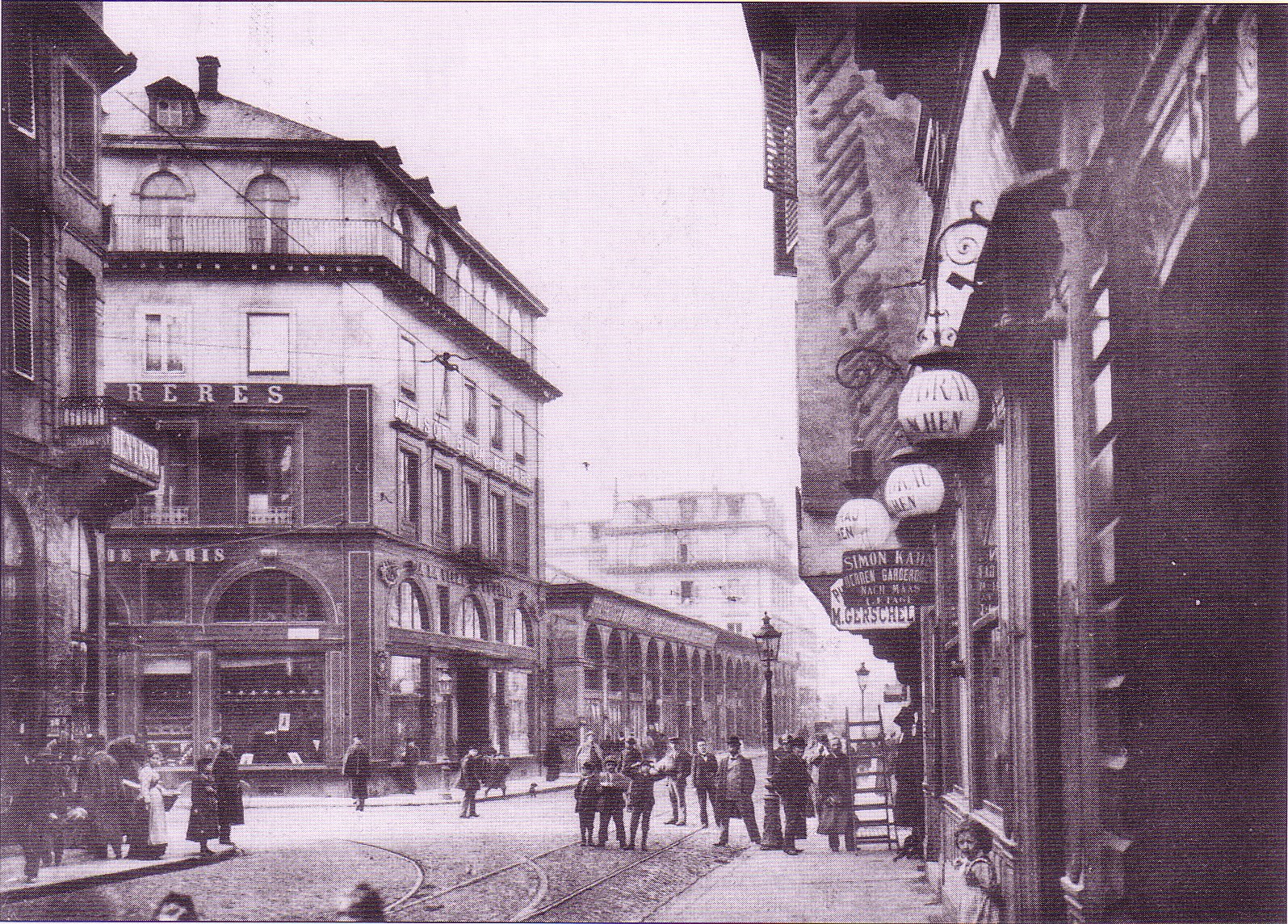
The Kleine Metzig: The Rise of a Commercial Hub in Strasbourg
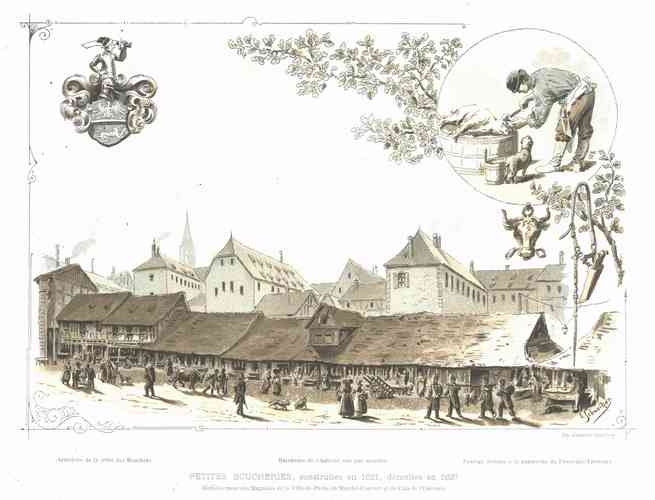
At the same time, the Petites Boucheries (Kleine Metzig) area developed:
- 1621 : creation of small butcher stalls to compete with the main market
- 1837–1840 : demolition and construction of a modern covered market hall
- 1852–1853 : development of shops and buildings around the market
Several ambitious projects emerged:
- A grand event hall (never completed)
- A symphonic concert hall (abandoned in 1895)
These changes marked the transition toward a commercial district.
1901–2008: From Kleine Metzig to Aubette Shopping
The early 20th century marked a new era:
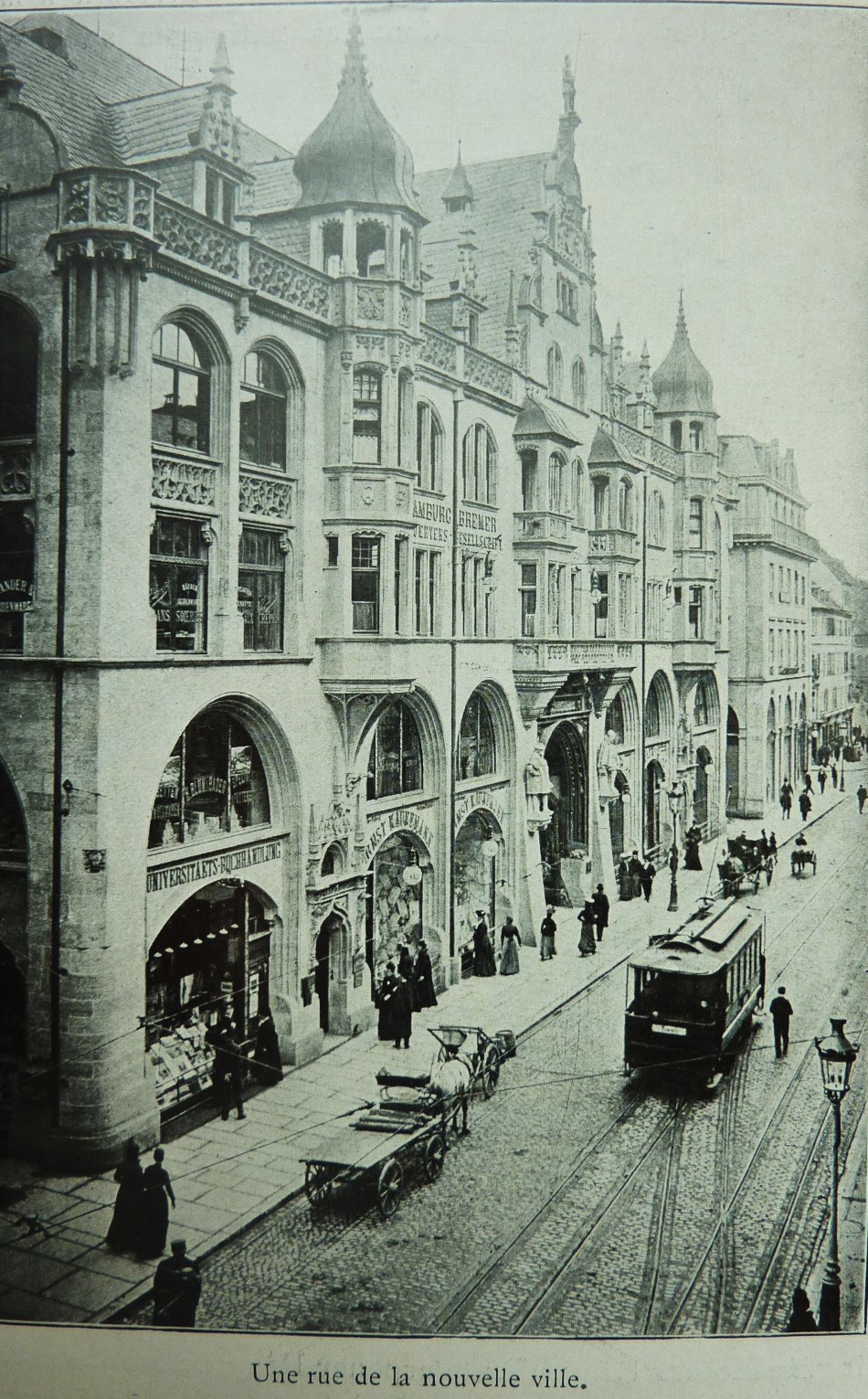
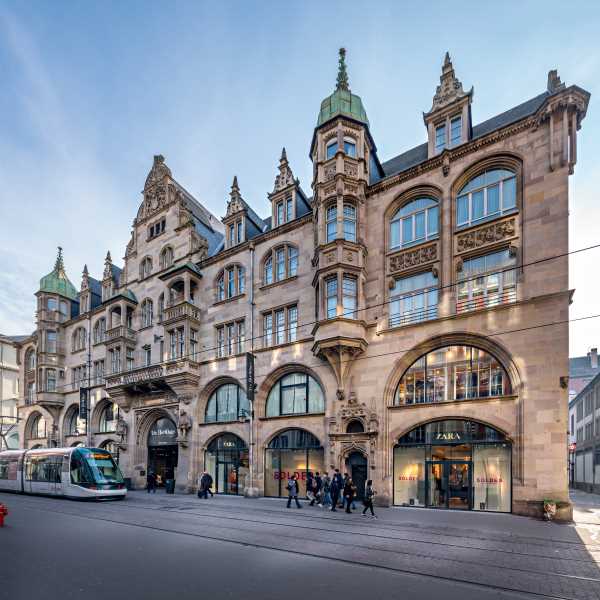
- 1901 : construction of the current “Kleine Metzig” building
- Architecture blending Gothic and German Renaissance styles
- Façades featuring turrets, gables, and decorative sculptures
The site quickly became a dynamic commercial center:
- 1903 : opening of major retail stores (fashion, household goods, etc.)
A major transformation followed:
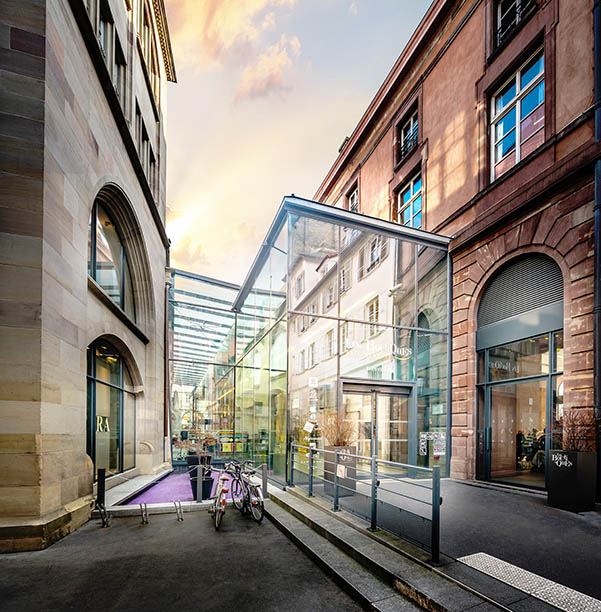
- 2008 : merger of Kleine Metzig and the Aubette
- Creation of a modern shopping center in the heart of Strasbourg
This formerly unsanitary passage is now a bright and attractive walkway connecting Place Kléber to Rue de la Haute-Montée.
The Aubette Today: Where Heritage Meets Shopping
Today, Aubette Shopping represents the perfect blend of:
- Strasbourg’s rich history
- Iconic architecture
- A vibrant city-center shopping experience
Located in one of Strasbourg’s busiest areas, it continues to evolve while preserving its historical identity.